Search Premiere Landscape, Inc. for a plant

Dave's Garden PlantFiles search engine

Find your plant by searching PlantFiles:
-

Premiere Landscape, Inc.

Sunday, July 1, 2012

Holmskioldia tettensis


Holmskioldia tettensis 

(holm-skee-OL-dee-uh)

Purple Chinese Hat, Tahitian Hat Plant, Parasol flower 


 FAMILY : Lamiaceae


ORIGIN : Tropical Africa, Asia


TYPE/USES : shrub


SIZE : 8 feet if not trimmed


LIGHT REQUIREMENTS : full to partial sun


WATER REQUIREMENTS : average


MIN. TEMP. : low 30°s


FLOWER : fall to spring


COMMENTS : attracts hummingbird & butterflies


Category:
Tropicals and Tender Perennials
Height:
8-10 ft. (2.4-3 m)
Spacing:
4-6 ft. (1.2-1.8 m)
Hardiness:
USDA Zone 10a: to -1.1 °C (30 °F)
USDA Zone 10b: to 1.7 °C (35 °F)
USDA Zone 11: above 4.5 °C (40 °F)
Sun Exposure:
Sun to Partial Shade
 Bloom Color:
Rose/Mauve
Violet/Lavender
Bloom Time:
Late Summer/Early Fall
Foliage:
Evergreen
Veined
Average Water Needs; Water regularly; do not over water
This plant is attractive to bees, butterflies and/or birds

Soil pH requirements:
5.6 to 6.0 (acidic)
6.1 to 6.5 (mildly acidic)
Patent Information:
Non-patented
Propagation Methods:
From woody stem cuttings
From hardwood cuttings
By simple layering
By air layering
By tip layering
Seed Collecting:
Allow seed heads to dry on plants; remove and collect seeds


Monday, April 16, 2012

Fireworks Gomphrena


 Fireworks Gomphrena


Fireworks Gomphrena


Family: Amaranthaceae
Genus: Gomphrena (gom-FREE-nuh)
Species: globosa (glo-BOH-suh)
Cultivar: Fireworks


Scientific Name : Gomphrena sp.
Common Name : Bachelor's Button
Hardiness Degree" : 32°F (0.0°C)
Blooming Season : Late Spring, Summer, Autumn
Plant Habit : Upright
Spacing : 20 - 36" (51 - 91cm)
Height : 36 - 48" (91 - 122cm)
Width : 36 - 48" (91 - 122cm)
Exposure : Sun


Category:
Annuals

Height:
24-36 in. (60-90 cm)
36-48 in. (90-120 cm)

Spacing:
24-36 in. (60-90 cm)
36-48 in. (90-120 cm)

Hardiness:
Not Applicable

Sun Exposure:
Full Sun

Danger:
N/A

Bloom Color:
Magenta (Pink-Purple)

Bloom Time:
Late Spring/Early Summer
Mid Summer
Late Summer/Early Fall
Mid Fall
Late Fall/Early Winter
Blooms repeatedly

Foliage:
Herbaceous
Blue-Green
Velvet/Fuzzy-Textured

Other details:
Drought-tolerant; suitable for xeriscaping
Flowers are good for cutting
Flowers are good for drying and preserving

Soil pH requirements:
6.1 to 6.5 (mildly acidic)
6.6 to 7.5 (neutral)
7.6 to 7.8 (mildly alkaline)
7.9 to 8.5 (alkaline)


Propagation Methods:
Direct sow as soon as the ground can be worked
From seed; sow indoors before last frost
From seed; direct sow after last frost

Seed Collecting:
Collect seedhead/pod when flowers fade; allow to dry
Allow seedheads to dry on plants; remove and collect seeds
Properly cleaned, seed can be successfully stored

Grower Information : A Hot Summer Survivors selection.
Suitable for field or garden cut flower production. Supplied as coated seed.
More blooms per plant than other gomphrenas plus its unique “scaffolding” habit give Fireworks the exceptional flower power that makes it sparkle at retail, then explode with color in landscapes and containers. The vigorous, “tough as nails” plants are topped by long-lasting, intense hot pink flowers tipped with bright yellow. Drought-tolerant and low-maintenance Fireworks resists weather damage and provides an attractive architectural element for the landscape. Easy to produce on the bench, Fireworks stays compact as a plug. Well-suited to high-margin gallon programs. 2010 Mississippi Medallion Award winner.


Agastache aurantiaca


 Agastache aurantiaca ‘Apricot Sprite’


                                               Family: Lamiaceae (lay-mee-AY-see-ee)
                                               Genus: Agastache (ah-gas-TAH-kee)
                                               Cultivar: Apricot Sunrise

                                              Synonym:Agastache aurantiaca


Lovers of heat, these tough and drought resistant Mint family relatives guarantee terminal spikes adorned with brightly colored, tubular flowers just about all summer long. Agastaches are easily grown in well drained soils, and will bloom more profusely, over an even longer period of time, if the flowering stems are cut back in mid-season.
Agastache aurantiaca ‘Apricot Sprite’
full sun

This drought tolerant bushy perennial is prized for its more manageable compact habit. With erect stems tinged a dusty grape, wine-purple calyxes, deep peachy orange flowers, and mint-scented triangular green leaves sporting silvery undersides, the stunning shades of an evening sky will light up your garden all day long. Easy-to-grow ‘Apricot Sprite’.

Blooms April– mid-October. in South Louisiana

Size: 12"–18" high x 12" wide; hardy to zone 7.

Height     1 ft. to 3 ft.

Spread     1 ft. to 3 ft.

Light     Full Sun Only;Full Sun to Part Shade

Moisture     Dry;Dry to Medium

Maintenance     Low


Tolerance     Deer Tolerant;Drought Tolerant
Characteristics     Attracts Hummingbirds; Fragrant Flowers; Fragrant Foliage; Showy Flowers

Bloom Time     Early Fall; Fall; Late Summer; Summer

Foliage Color     Silver/Grey

Flower Color     Orange/ Salmon Flower

Uses     , Beds and Borders, Low- Maintenance, Sun, Herb Garden, Desert Garden, Xeric Bed

Seasonal Interest: Summer Interest, Fall Interest

Type: Perennials


I pinch these plants often to make more bloom heads and make the stems sturdy.


Category:
Perennials

Height:
12-18 in. (30-45 cm)
18-24 in. (45-60 cm)

Spacing:
9-12 in. (22-30 cm)

Hardiness:
USDA Zone 6a: to -23.3 °C (-10 °F)
USDA Zone 6b: to -20.5 °C (-5 °F)
USDA Zone 7a: to -17.7 °C (0 °F)
USDA Zone 7b: to -14.9 °C (5 °F)
USDA Zone 8a: to -12.2 °C (10 °F)
USDA Zone 8b: to -9.4 °C (15 °F)
USDA Zone 9a: to -6.6 °C (20 °F)
USDA Zone 9b: to -3.8 °C (25 °F)
USDA Zone 10a: to -1.1 °C (30 °F)
USDA Zone 10b: to 1.7 °C (35 °F)

Sun Exposure:
Full Sun

Danger:
N/A

Bloom Color:
Coral/Apricot
Orange

Bloom Time:
Mid Summer

Foliage:
Herbaceous
Aromatic

Other details:
This plant is attractive to bees, butterflies and/or birds.

Flowers are fragrant.

Average Water Needs; Water regularly; do not over water.

Soil pH requirements:
6.1 to 6.5 (mildly acidic)
6.6 to 7.5 (neutral)
7.6 to 7.8 (mildly alkaline)
7.9 to 8.5 (alkaline)


Propagation Methods:
From seed; winter sow in vented containers, cold-frame or unheated greenhouse
From seed; sow indoors before last frost

Seed Collecting:
Allow seed-heads to dry on plants; remove and collect seeds
Properly cleaned, seed can be successfully stored

Thursday, September 22, 2011

Pipevine - Aristolochia tomentosa


Pipevine - Aristolochia tomentosa

Aristolochia macrophylla

Aristolochia durior


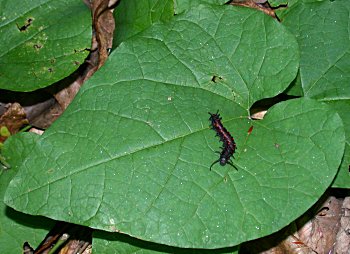
Pipevine is a vigorous, climbing woody vine without tendrils. It has pipe shaped flowers and large, heart-shaped leaves. The flowers are about 3 cm long and curved, kind of like a pipe. It blooms from May to June. The fruit of the plant has a diameter of about 3 cm. It tends to like somewhat shady to sunny areas. It is native to most of the southeastern U.S. and grows best in full sun or partial shade and will need a trellis, fence or arbor to grow on. It can grow to be as tall as 20-30 feet!

Pipevine is a Host Plant for the Pipevine

Swallowtail

Pipevine Swallowtails (Battus philenor) use Pipevine as a host plant. The butterfly Battus polydamas, whose range includes most of the south eastern US also uses some species of Aristolochia as a host plant.

Vines of the Aristolochia genus are poisonous because they contain aristolochic acids which are toxic alkaloids. Pipevine Swallowtails are immune - their caterpillars sequester the toxins which then make them undesirable to predators even as adults.

Both Aristolochia durior and Aristolochia tomentosa are used by the butterfly. Aristolochia elegans is however poisonous to them, the adults might lay eggs on it but the caterpillars will die.

Wednesday, July 20, 2011

Plants that I have extra of for sale

When I have extra plants from the gardens I offer small and healthy plants for sale.

Let me know in advance and I can make a cured and stout plant to sell for your needs.

Saturday, July 2, 2011

Cuphea llavea Flamenco Samba


Cuphea llavea xFlamenco Samba


Cuphea llavea Flamenco Samba


Botanical Name: Cuphea llavea Flamenco Samba

KOO-fee-ah LAY-vee-ah Common Name: Bat-faced cuphea

Genus: Cuphea

Family: Lythraceae (ly-THRAY-see-ee)

Genus: Cuphea (KYOO-fee-uh)

Species: llavea (LAH-vay-uh)


Synonym:Cuphea barbigera
Synonym:Parsonia llavea

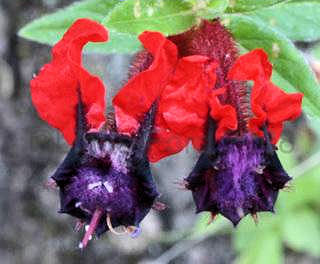
This bold-colored cuphea is a compact, mounding subshrub covered with dark-centered, cherry red blooms centered with a deep purple throat and slightly ruffled petal edges. Flowers are larger than those of the species. This sun-loving plant can reach up to 3 feet in height and width.


Noteworthy characteristics: Flowers all season long without deadheading.


Care: Ideal for hanging baskets, containers, beds, and borders, this plant needs little care besides regular watering once the soil has dried out.


Propagation: Sow seed in early spring or in situ in late spring. Divide, or root softwood cuttings in late spring.


Problems: Whiteflies and aphids. Prone to root rot, stem galls, dieback, powdery mildew, and a few leaf spots.


Category:
Annuals
Tropicals and Tender Perennials

Height:
18-24 in. (45-60 cm)

Spacing:
24-36 in. (60-90 cm)

Hardiness:
USDA Zone 8a: to -12.2 °C (10 °F)
USDA Zone 8b: to -9.4 °C (15 °F)
USDA Zone 9a: to -6.6 °C (20 °F)
USDA Zone 9b: to -3.8 °C (25 °F)
USDA Zone 10a: to -1.1 °C (30 °F)
USDA Zone 10b: to 1.7 °C (35 °F)
USDA Zone 11: above 4.5 °C (40 °F)

Sun Exposure: Sun to Partial Shade

Danger: Unknown

Bloom Color:
Red
Dark Purple/Black

Bloom Time:
Late Spring/Early Summer
Mid Summer
Late Summer/Early Fall
Blooms repeatedly

Foliage: Evergreen

Other details:
This plant is attractive to bees, butterflies and/or birds
Drought-tolerant; suitable for xeriscaping
Average Water Needs; Water regularly; do not overwater

Soil pH requirements:
6.1 to 6.5 (mildly acidic)
6.6 to 7.5 (neutral)
7.6 to 7.8 (mildly alkaline)

Patent Information:
Non-patented

Propagation Methods:
From softwood cuttings

Seed Collecting:
Collect seedhead/pod when flowers fade; allow to dry.


Cuphea llavea is a bushy to mounding perennial subshrub that is native to Mexico. This perennial will flower from spring till fall and is a great attractor of hummingbirds to the garden. Bat Face Cuphea produces masses of 1" purple tubular flowers. The tubes are lipped with two upward facing pedals. These resemble ears and the purple tips resemble the face of a bat, hence the common name. Cuphea llavea does great in the heat, requires excellent drainage, and is also drought tolerant. This perennial is frost hardy in the upper 20's and root hardy in the lower 20's.

Hardiness: USDA Zones 9-11
Plant Use: Flowering Perennial
Exposure: Sun to Part Shade
Water Requirements: Low

Orthosiphon aristatus

Orthosiphon aristatus


Orthosiphon aristatus

Cat's Whiskers, Java Tea

Family: Lamiaceae (lay-mee-AY-see-ee)
Genus: Orthosiphon (or-tho-SY-fon)
Species: aristatus (a-ris-TAH-tus)

Synonym: Ocimum aristatum

Synonym:Orthosiphon stamineus

Category:
Tropicals and Tender Perennials

Height:
18-24 in. (45-60 cm)

Spacing:
9-12 in. (22-30 cm)

Hardiness:
USDA Zone 9a: to -6.6 °C (20 °F)
USDA Zone 9b: to -3.8 °C (25 °F)
USDA Zone 10a: to -1.1 °C (30 °F)
USDA Zone 10b: to 1.7 °C (35 °F)
USDA Zone 11: above 4.5 °C (40 °F)

Sun Exposure:
Full Sun
Sun to Partial Shade

Danger:
Parts of plant are poisonous if ingested

Bloom Color:
Light Blue
Violet/Lavender
White/Near White

Bloom Time:
Late Summer/Early Fall

Foliage:
Herbaceous

Other details:
This plant is attractive to bees, butterflies and/or birds
Requires consistently moist soil; do not let dry out between waterings

Soil pH requirements:
6.6 to 7.5 (neutral)
7.6 to 7.8 (mildly alkaline)

Patent Information:
Non-patented

Propagation Methods:
From softwood cuttings

Seed Collecting:
Collect seedhead/pod when flowers fade; allow to dry


Orthosiphon stamineus is a traditional herb that is widely grown in tropical areas. The two general species, Orthosiphon stamineus "purple" and Orthosiphon stamineus "white" are traditionally used to treat diabetes, kidney and urinary disorders, high blood pressure and bone or muscular pain.

Also known as Java tea, it was possibly introduced to the west in the early 20th century. Misai Kucing is popularly consumed as a herbal tea. The brewing of Java tea is similar to that for other teas. It is soaked in hot boiling water for about three minutes, and honey or milk is then added. It can be easily prepared as garden tea from the dried leaves. There are quite a number of commercial products derived from Misai Kucing.

Sinensetin is a polyphenol found in Orthosiphon stamineus.


Sinensetin is a methylated flavone. It can be found in Orthosiphon stamineus

Followers

LABEL REFERENCE